

Most people who walk into an online casino for the first time assume the games are rigged, the odds are invented on the spot, and the house simply takes whatever it wants. That's not how it works. The truth is stranger and more interesting: every slot spin, every poker hand, every sports bet runs on math so precise that operators can predict their profit margin down to fractions of a percent over millions of plays. Knowing that math doesn't kill the fun. It sharpens it.
House Edge: The Only Number That Really Matters
Every game in a casino, online or brick-and-mortar, has a built-in advantage for the operator. That's not a bug; it's the business model. What separates a smart player from a frustrated one is understanding how large that edge is and where it comes from.
- Blackjack (basic strategy): roughly 0.5% house edge.
- Baccarat (banker bet): about 1.06%.
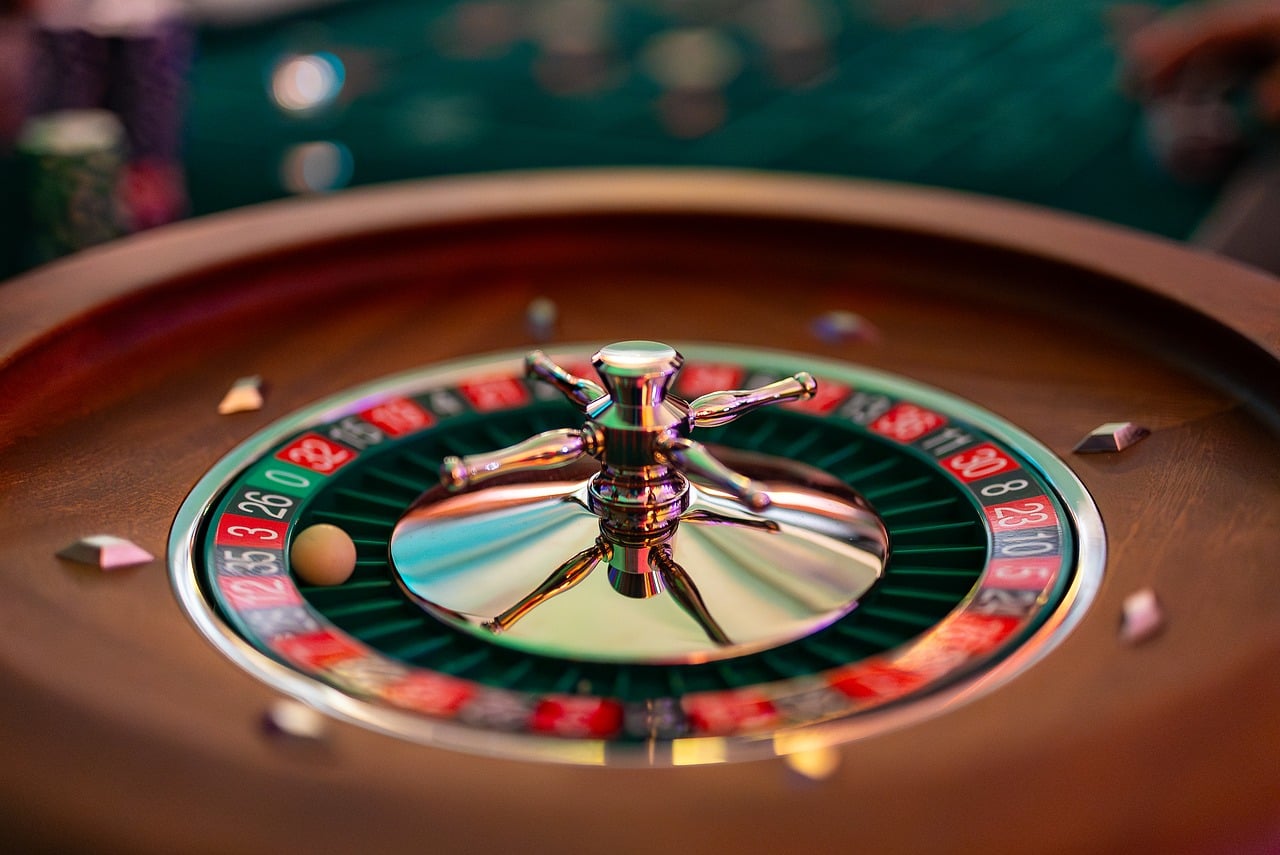
- European roulette: 2.7%, thanks to the single zero.
- American roulette: 5.26%, because of that extra double zero.
- Slot machines: typically 2% to 10%, depending on the game and where you're playing.
- Keno and lottery-style games: often 25% or more.
Notice what that list tells you. Skills-based games with player decisions hover around 1%. Pure chance games with no decision-making are five to ten times worse. If you care even slightly about your bankroll lasting, that gap should guide where you spend your time.
RNGs, RTP, and Why Slots Are More Honest Than People Think
Modern slots don't run on mechanical reels or a dealer's sleight of hand. They run on random number generators, software that spits out millions of outcomes per second, completely unrelated to what just happened on the previous spin. Each spin is independent. A machine that hasn't paid out in three hours is no more "due" than one that just hit a jackpot.
The number to look for is RTP, or return to player. A slot with 96% RTP returns, on average, $96 for every $100 wagered over millions of spins. The remaining 4% is the house edge. Some regulated markets publish RTP in the game's help screen, and reputable operators let you check it before you play. A 94% slot and a 97% slot feel identical in the moment, but over a thousand spins they behave very differently.
Volatility matters just as much. Low-volatility slots pay small amounts frequently, which keeps you playing longer on the same bankroll. High-volatility slots go cold for long stretches and then fire off massive wins. Neither is better. They suit different temperaments and different bankroll sizes. If you have $50 and want a two-hour session, high volatility will likely eat you alive before the big hit arrives. If this is new to you, keonhacaii5.com.co is a sensible next read.
Poker Is the One Game Where the House Doesn't Beat You
Here's the fundamental difference. In blackjack, slots, or roulette, you play against the house, and the house always has an edge. In poker, you play against other people. The casino just takes a small cut of each pot, called the rake, and steps aside.
That means a skilled poker player can be profitable long-term. It also means most players aren't. The same distribution that makes poker appealing, that your edge comes from outplaying opponents rather than beating a machine, is exactly why the learning curve is brutal.
A few things that matter more than "playing tight":
- Position. Acting last in a hand gives you information. Everything else is secondary.
- Bankroll management. You need roughly 20 to 30 buy-ins for cash games and 50 to 100 for tournaments to survive variance.
- Reading ranges, not hands. Nobody knows what another player holds. You estimate the range of hands they'd play that way.
- Table selection. Sitting in a soft game does more for your win rate than any advanced play.
Tournament poker adds another layer: pay jumps. Near the bubble, players tighten up because surviving means money. If you understand that fear, you can print profit by applying pressure.
Betting: Where Information Beats Instinct
Sports betting is the fastest-growing part of iGaming, and it attracts the most confident losers. The reason is simple. Fans confuse knowledge of a team with an edge against the market. Knowing the roster doesn't help if everyone knows the same roster, and the price already reflects it.Profitable bettors focus on three things:
- Line shopping. Getting +105 instead of -110 on the same bet adds up fast over hundreds of wagers.
- Closing line value. Beating the closing line consistently is the single best predictor of long-term profitability.
- Bankroll discipline. Flat betting 1 to 2% per play prevents the inevitable cold streak from wiping you out.
Parlays and same-game combos are marketed heavily because the house edge on them is enormous. They're entertainment, not strategy. If you want a genuine edge, focus on moneylines, spreads, and props in markets you actually understand better than the average bettor.
Licensing, Fairness, and How to Spot a Bad Operator
Not every casino or sportsbook is created equal. Legitimate operators hold licenses from regulators such as the UK Gambling Commission, the Malta Gaming Authority, or state-level US bodies like the New Jersey Division of Gaming Enforcement. Those licenses mean the operator submits to regular audits and must publish RTP figures, payout speeds, and dispute procedures.
Red flags to avoid:
- No visible license number or regulator listed in the footer.
- Bonus terms that cap your winnings or require 60x wagering before withdrawal.
- Withdrawal delays beyond 48 hours with no explanation.
- No responsible gambling tools, no deposit limits, no self-exclusion option.
A good operator welcomes scrutiny. A bad one buries the terms in page twelve of a PDF nobody reads.
Playing Smarter Without Pretending You'll Beat the House
The honest truth about iGaming is that the house wins in the aggregate, always, on every game except poker played against weak opponents. That doesn't make it a scam. It makes it a paid entertainment product, like a concert ticket with a chance of paying for itself.
The smart approach is boring: pick games with low house edges, understand slot RTP and volatility before you spin, treat sports betting as a market rather than a fan activity, and never wager money you'll miss. Set a session limit and stop when you hit it, win or lose. The players who ruin themselves aren't the ones who lose. They're the ones who keep going after they've already decided to stop.
None of this requires elite math. It requires the willingness to look at the numbers instead of the flashing lights. Do that, and you'll get more enjoyment out of the same bankroll than almost anyone else at the table.


Comments